






-

By: Al Aqsa Printing Press
-
0 Comments
In today’s fast-paced digital world, many businesses assume online marketing is enough. But walk into any successful office, showroom, or event, and you’ll still find professionally printed materials everywhere—brochures, business cards, banners, catalogs, and packaging. Commercial printing continues to play a powerful role in brand building, trust creation, and sales growth.
If you’re new to commercial printing or planning to use it for your company, this beginner-friendly guide will help you understand everything from printing types and materials to processes, costs, and best practices. By the end, you’ll know exactly how to approach commercial printing with confidence and clarity.
What Is Commercial Printing?
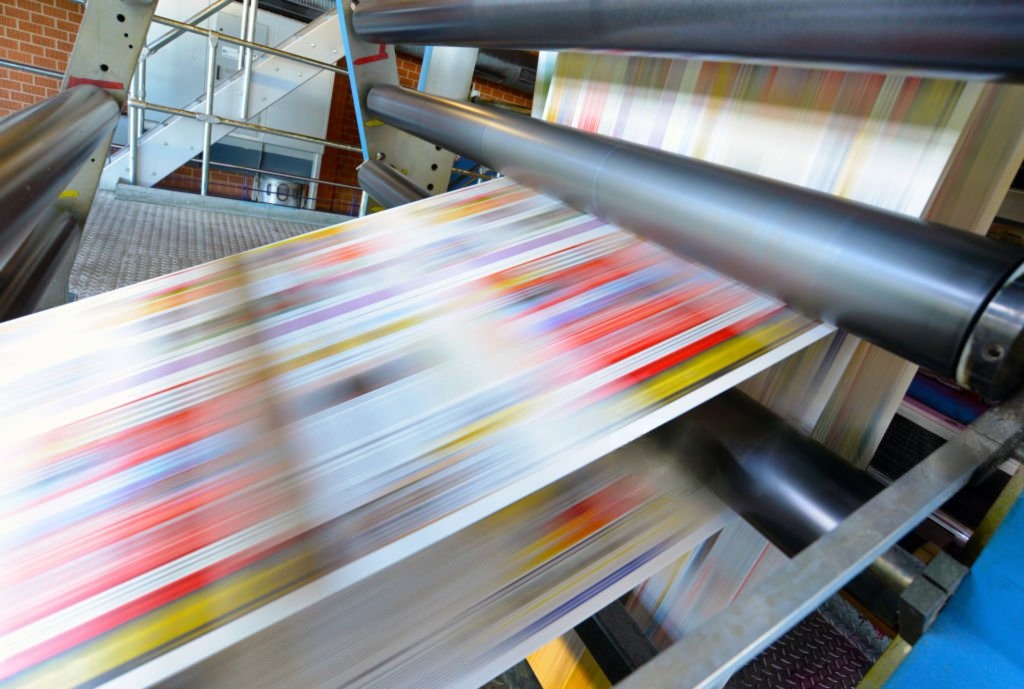
Commercial printing refers to professional, large-scale printing services used by businesses and organizations. Unlike home or office printing, commercial printing uses advanced machines and processes designed to produce high-quality prints in bulk with consistent color, finish, and durability.
Companies use commercial printing for marketing materials, branding assets, internal communication, retail displays, and packaging. The goal is not just to print, but to communicate a brand’s message clearly and professionally.
Why Commercial Printing Is Still Important for Businesses
Even with digital ads and social media dominating marketing strategies, printed materials remain highly effective. Physical print creates a tangible connection with customers, something digital formats often lack.
Printed materials help businesses:
- Build credibility and brand trust
- Create a strong first impression
- Improve brand recall
- Support sales teams and events
- Communicate professionalism and quality
A well-designed brochure or catalog can stay with a customer for weeks, while a digital ad disappears in seconds.
Common Types of Commercial Printing
Understanding the main types of commercial printing helps you choose the right solution for your needs.
Offset Printing
Offset printing is ideal for large-volume projects like magazines, catalogs, flyers, and newspapers. It delivers excellent color accuracy and consistency, making it perfect for brand-critical materials.
Digital Printing
Digital printing works best for short runs, quick turnaround jobs, and personalized prints. Business cards, small brochures, and promotional materials are often produced using digital printing.
Large Format Printing
This type is used for banners, posters, hoardings, roll-ups, and signage. It’s commonly used for events, exhibitions, retail spaces, and outdoor advertising.
Screen Printing
Screen printing is mostly used for promotional items such as bags, apparel, and specialty surfaces. It’s durable and suitable for bold designs.
Popular Commercial Printing Products for Companies
Most businesses rely on a combination of printed materials depending on their industry and goals. Common commercial printing products include:
- Business cards
- Brochures and flyers
- Company profiles
- Catalogs and booklets
- Posters and banners
- Stickers and labels
- Packaging boxes
- Letterheads and envelopes
Each product serves a different purpose, from lead generation to brand visibility and customer engagement.
Understanding Paper Types and Finishes
Paper choice plays a major role in how your printed material looks and feels. Beginners often overlook this step, but it significantly affects the final result.
Common Paper Types
- Glossy paper for vibrant visuals and marketing materials
- Matte paper for a premium, elegant look
- Uncoated paper for writing and internal documents
- Cardstock for business cards and covers
Finishing Options
Finishing enhances appearance and durability. Popular finishes include:
- Lamination (glossy or matte)
- UV coating
- Foil stamping
- Embossing and debossing
- Die cutting
Choosing the right paper and finish can elevate your brand image instantly.
The Commercial Printing Process Explained Simply
For beginners, the printing process may seem complex, but it usually follows a clear structure:
- Design preparation and file setup
- Proofing and approval
- Printing using selected technology
- Finishing and cutting
- Quality check and delivery
Professional printing presses guide you through each stage to ensure accuracy and quality.
How to Prepare Your Design for Printing
A great design can still fail if it’s not print-ready. To avoid costly mistakes, keep these basics in mind:
- Use high-resolution images
- Ensure correct color mode
- Maintain proper margins and bleed
- Choose readable fonts
- Double-check spelling and alignment
Working with an experienced commercial printer helps identify and fix issues before production.
Cost Factors in Commercial Printing
Commercial printing costs depend on several variables. Understanding them helps you plan your budget wisely.
Key cost factors include:
- Quantity of prints
- Paper type and thickness
- Printing method
- Finishing options
- Turnaround time
Ordering in bulk usually reduces cost per unit, especially with offset printing.
Choosing the Right Commercial Printing Partner
For beginners, selecting the right printing press is just as important as design and material. A reliable printer ensures quality, consistency, and timely delivery.
Al Aqsa Printing Press is known for supporting businesses with professional commercial printing solutions, guiding clients through material selection, printing methods, and finishing options to achieve the best results for their brand.
A good printing partner acts as a consultant, not just a service provider.
Mistakes Beginners Should Avoid
Many companies make avoidable mistakes when starting with commercial printing. Common ones include:
- Choosing the cheapest option without considering quality
- Ignoring paper and finish selection
- Printing without proof approval
- Using low-resolution designs
- Overprinting without a clear strategy
Avoiding these mistakes saves time, money, and brand reputation.
How Commercial Printing Supports Long-Term Brand Growth
Commercial printing is not a one-time task. When used strategically, it supports long-term marketing and branding efforts. Consistent printed materials reinforce your identity, support offline marketing, and complement digital campaigns.
From product launches to exhibitions and corporate communication, professionally printed materials strengthen your brand presence at every touchpoint.
Frequently Asked Questions
Q: What is the difference between digital and offset printing?
Digital printing is best for small quantities and fast delivery, while offset printing is ideal for large volumes with consistent color quality.
Q: How do I choose the right paper for my business printing?
The choice depends on usage, budget, and brand image. Marketing materials often use glossy or matte paper, while internal documents use uncoated paper.
Q: Is commercial printing expensive for small businesses?
Not necessarily. Digital printing allows affordable short runs, making commercial printing accessible even for startups and small companies.
Q: How long does commercial printing usually take?
Turnaround time depends on the project size, printing method, and finishing. Simple jobs may take a few days, while complex projects take longer.
Q: Should I proofread before printing?
Absolutely. Proofreading prevents costly reprints and ensures your message is clear and error-free.
Final Thoughts
Commercial printing remains a powerful tool for companies looking to build trust, communicate clearly, and stand out in competitive markets. For beginners, understanding the basics of printing types, materials, processes, and planning can make a huge difference in results.
With the right approach and a trusted partner like Al Aqsa Printing Press, businesses can turn simple printed materials into impactful brand assets that leave a lasting impression.