






-
• 02 Feb. 2026
-
CATEGORY:
Uncategorized
-

By: Al Aqsa Printing Press
-
0 Comments
When it comes to professional printing, one of the most common questions businesses ask is whether to choose digital printing or offset printing. Both methods are widely used in commercial printing, yet each serves different purposes, budgets, and project requirements. Choosing the wrong option can increase costs, delay timelines, or compromise print quality.
If you are new to commercial printing or planning your next marketing or business project, this guide will help you clearly understand the differences between digital printing and offset printing. By the end, you will know which option is right for your specific needs and how to make a confident decision.
Understanding the Basics of Digital Printing
Digital printing is a modern printing method where files are printed directly from a digital source onto paper or other materials. It does not require printing plates, which makes it fast, flexible, and cost-effective for short print runs.
This printing method is commonly used for business cards, flyers, brochures, posters, personalized marketing materials, and quick turnaround jobs. Digital printing is especially popular among startups, small businesses, and companies that require frequent updates to their printed content.
Understanding the Basics of Offset Printing
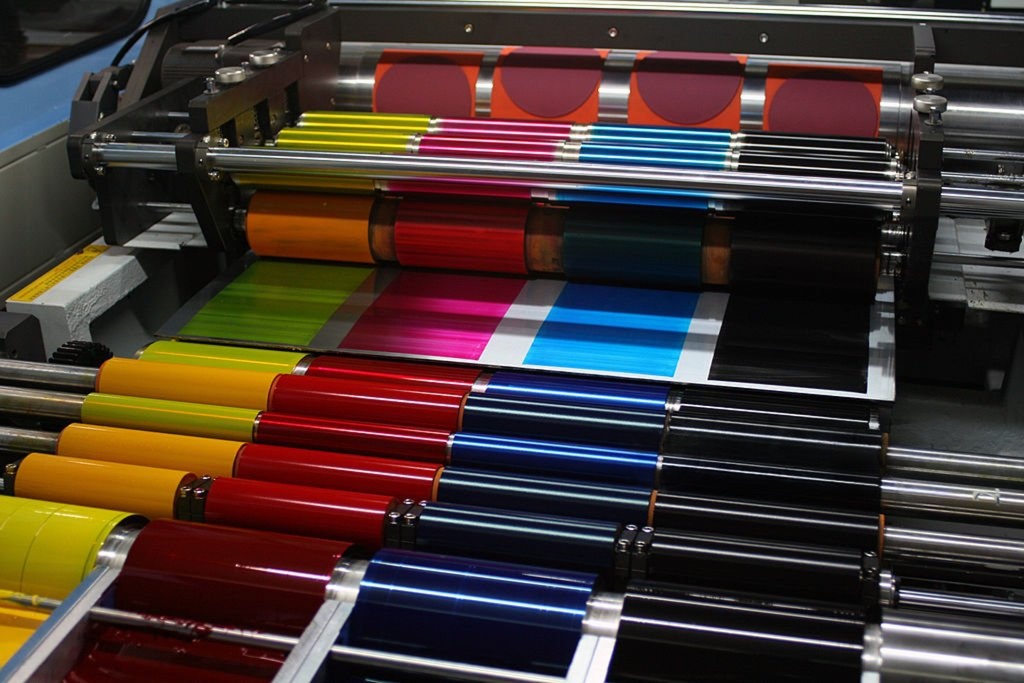
Offset printing is a traditional and highly reliable printing method that uses metal plates to transfer ink onto a rubber blanket and then onto paper. While the setup process takes longer, offset printing delivers exceptional color accuracy, sharpness, and consistency across large quantities.
Offset printing is ideal for catalogs, magazines, newspapers, packaging, corporate stationery, and large-scale marketing materials. It is widely preferred for high-volume projects where quality and uniformity are critical.
Key Differences Between Digital Printing and Offset Printing
Understanding the core differences helps you choose the right printing solution.
Setup Process
Digital printing requires minimal setup, making it perfect for quick jobs. Offset printing involves plate creation and machine setup, which takes more time but ensures superior consistency.
Print Quantity
Digital printing is best for small to medium quantities. Offset printing becomes cost-effective when printing large volumes.
Print Quality
Both methods offer high-quality results. However, offset printing delivers unmatched color accuracy and smooth gradients, especially for brand-heavy projects.
Customization
Digital printing allows easy personalization such as variable names, numbers, or designs. Offset printing is better for standardized designs without variation.
Cost Efficiency
Digital printing has a lower upfront cost, while offset printing offers lower cost per unit for bulk orders.
When Digital Printing Is the Right Choice
Digital printing is the ideal option in many modern business scenarios.
It works best when:
- You need fast turnaround
- You are printing small quantities
- Your content changes frequently
- You need personalized or variable data printing
- You are working with a limited budget
Marketing campaigns, event materials, internal documents, and promotional flyers often benefit from digital printing due to its speed and flexibility.
When Offset Printing Is the Right Choice
Offset printing remains the preferred choice for many professional and large-scale projects.
It is best when:
- You need large print volumes
- Color consistency is critical
- You want premium-quality finishes
- You are printing catalogs or magazines
- You want long-term cost efficiency
For companies focused on branding, offset printing ensures uniform colors and professional presentation across thousands of prints.
Paper Options and Finishing Capabilities
One of the biggest advantages of offset printing is its compatibility with a wide range of paper types and finishes. Thick paper, textured surfaces, and specialty finishes are easier to achieve with offset printing.
Digital printing supports many paper options as well, though there may be some limitations depending on the machine and material type.
Common finishes available for both methods include:
- Gloss or matte lamination
- UV coating
- Embossing and debossing
- Foil stamping
- Die cutting
Choosing the right combination of paper and finish enhances both visual appeal and durability.
Color Accuracy and Brand Consistency
For businesses that rely heavily on branding, color accuracy is a crucial factor. Offset printing uses specific ink formulations that maintain consistent color throughout the entire print run.
Digital printing has improved significantly in recent years and offers excellent quality. However, minor color variations may occur between batches, especially when printing at different times.
If maintaining exact brand colors is a priority, offset printing is often the safer choice.
Turnaround Time and Deadlines
Digital printing clearly wins when it comes to speed. Since there is no plate setup, printing can begin almost immediately after design approval. This makes it ideal for urgent or last-minute projects.
Offset printing takes longer due to setup and drying time, but the results justify the wait for large and high-value projects.
Environmental Considerations
Both digital and offset printing have become more environmentally conscious. Digital printing produces less waste during setup, while offset printing can be eco-friendly when used for large runs due to efficient ink usage per unit.
Choosing responsible materials and proper planning helps reduce waste regardless of the printing method.
Choosing the Right Printing Partner
Selecting the right printing partner is just as important as choosing the printing method. A professional printing press helps you evaluate your project requirements, budget, and timeline before recommending the best solution.
Al Aqsa Printing Press supports businesses by offering expert guidance on both digital and offset printing, helping clients select the right method, paper, and finish to achieve professional and cost-effective results.
Common Mistakes to Avoid When Choosing a Printing Method
Many businesses make simple mistakes when deciding between digital and offset printing.
Common mistakes include:
- Choosing based only on price
- Ignoring quantity requirements
- Overlooking color consistency
- Skipping print proofs
- Not considering long-term usage
Avoiding these mistakes ensures better results and smarter spending.
Digital Printing vs Offset Printing for Different Business Needs
Different industries benefit from different printing methods. Retail brands often use offset printing for catalogs and packaging, while service-based businesses prefer digital printing for brochures and flyers.
Event organizers rely on digital printing for quick materials, while publishers depend on offset printing for magazines and books.
Understanding your industry needs helps guide the decision.
Frequently Asked Questions
Q: What is the main difference between digital printing and offset printing?
Digital printing prints directly from a file, while offset printing uses plates to transfer ink. The difference affects cost, quality, and quantity.
Q: Which printing method is cheaper?
Digital printing is cheaper for small quantities. Offset printing is more cost-effective for large print runs.
Q: Is offset printing better quality than digital printing?
Offset printing generally offers more consistent color and higher quality for large volumes, though digital printing quality is also very high.
Q: Can digital printing handle bulk orders?
It can, but costs increase as quantity grows. Offset printing is better for bulk orders.
Q: Which method is best for brochures and catalogs?
Small brochure runs work well with digital printing, while large catalogs are better suited for offset printing.
Final Thoughts
Choosing between digital printing and offset printing does not have to be confusing. Each method has its strengths, and the right choice depends on your project goals, quantity, timeline, and budget.
Digital printing offers speed, flexibility, and affordability for smaller jobs, while offset printing delivers unmatched quality and cost efficiency for large-scale projects. With expert support from Al Aqsa Printing Press, businesses can confidently choose the right printing method and achieve professional results that strengthen their brand and marketing efforts.